
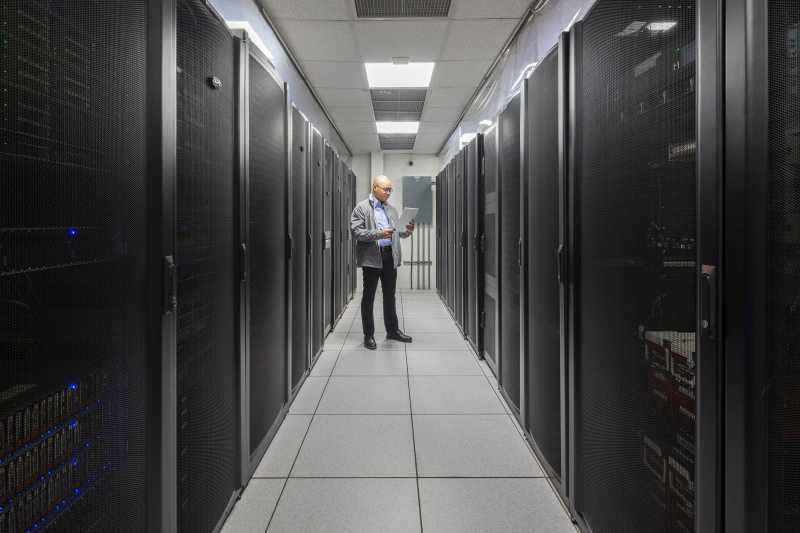
As IT environments expand and digital workloads increase, businesses face a critical decision: continue operating on-premise servers or move to a modern colocation data centre. In 2026, reliability, security, and scalability matter more than ever, and many companies are reevaluating the true cost of maintaining their own infrastructure.
This blog breaks down the advantages of colocation versus DIY setups, helping organizations choose an infrastructure model that supports long-term stability, performance, and growth.
Cost and Maintenance Differences
Maintaining an on-premise server room requires significant investment. Companies must purchase hardware, cooling equipment, backup power systems, and fire-suppression tools—along with paying for the space and electricity to operate them. These costs increase as systems age and hardware refresh cycles become more frequent.
By contrast, colocation services eliminate this burden. Businesses place their servers inside a professionally managed facility with built-in power, cooling, and environmental controls. Instead of unpredictable maintenance costs, organizations pay a predictable monthly fee, reducing capital expenditure while improving operational reliability.
This makes colocation especially attractive for businesses trying to manage long-term IT budgets more strategically.
Power, Cooling, and Redundancy with Colocation
Uptime depends heavily on environmental stability. Achieving enterprise-grade redundancy in a DIY environment is costly and technically demanding.
A colocation data centre provides:
- Redundant power feeds and backup generators
- Industrial-grade cooling systems
- Fire suppression and environmental monitoring
- Tiered reliability standards and service guarantees
These features ensure consistent uptime and protect hardware from temperature fluctuations, power failures, or unplanned outages.
In 2026, with data demands rising, this level of redundancy is more essential than ever.
Security and Compliance Benefits
Physical security is often overlooked in DIY environments. On-prem server rooms rarely include advanced access controls, surveillance systems, or 24/7 monitoring. For industries that must meet compliance frameworks—such as finance, healthcare, and government—these gaps create risk.
A Toronto colocation facility typically includes:
- Multi-layer security checkpoints
- Biometric access
- Surveillance with 24/7 monitoring
- Audit logs and compliance support
- Data residency controls within Canadian borders
This significantly strengthens a company’s security posture while reducing the burden of maintaining compliance in-house.
Scalability and Resource Flexibility
When businesses scale, DIY infrastructure often hits limitations. Adding new hardware requires space, power, cooling capacity, and installation time.
With colocation, organizations can scale on demand. Facilities are designed with expansion in mind—more cabinets, more bandwidth, and more power can be added as needed.
This flexibility allows businesses to support new applications, cloud integrations, or data growth without restructuring internal infrastructure.
Hybrid Use Cases with Colocation
A growing number of organizations are adopting hybrid models that combine colocation with cloud services. This approach allows businesses to maintain control of critical workloads while leveraging public or private clouds for additional compute capacity.
Hybrid strategies supported by colocation services offer:
- Direct cloud interconnects
- Faster data transfer
- Improved workload distribution
- Greater flexibility for modernization projects
In 2026, hybrid infrastructure is becoming the preferred path for organizations seeking both control and scalability.
Making an Infrastructure Choice That Supports Growth
As businesses plan for long-term digital expansion, infrastructure reliability becomes a strategic advantage. Colocation delivers predictable costs, greater security, and improved redundancy—benefits that on-prem setups rarely match.
Pathway Communications offers secure, scalable colocation services designed to support performance and compliance across high-demand environments in Toronto facilities. For organizations evaluating on-premises versus modern infrastructure, Pathway provides guidance to help determine which model best supports their workloads and business goals.
Contact us to explore your options or learn more about server needs. Our experts can help you decide if Server colocation is the right move for your 2026 strategy.